Charts
Introduction to Charts
Welcome to Your Charts Class!
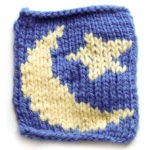
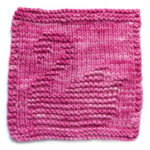


Patterns can be written in two ways. One is in “longhand,” in which the instructions are written as a “sentence” of abbreviations, as in “k4, p2, k8, etc.
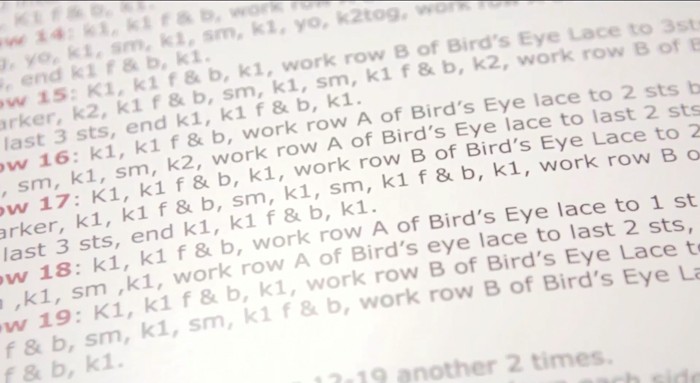
As you can see, the eye tends to “swim” when confronted with a sea of abbreviations. It’s hard to visualize what the final project will look like and, if you get lost, it’s very tedious to scan the lines trying to find what you missed.
That’s why patterns are also written in chart form which is a visual representation of the stitches.
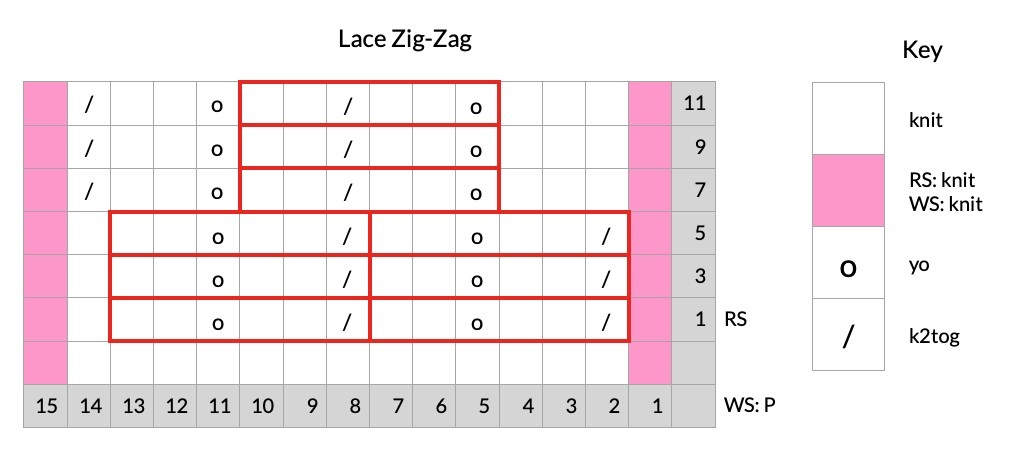
You can tell at a glance what stitches are involved, how they are put together, and what the overall design will look like.
Because charts are a concise and useful way to represent knitted designs, many great projects are written using them. If you don’t know how to read charts, you will miss out on being able to knit those great projects.
The Problem With Charts
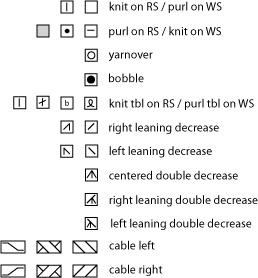
Plus there is the challenge of knowing how to read the charts when they are flat vs. in-the-round.
In addition, beginners can find it hard to keep track of where they are and go back and fix mistakes, like missed yarnovers.
Understanding and conquering all those details is just part of learning to read charts. In this class, you will learn everything you need to know to approach any charted project with confidence, and the challenges of charts will disappear into pure joy of knitting.
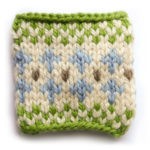
And just look at the kinds of beautiful projects that are awaiting you as your reward!

Starting Your Adventure
So let’s get started!
How This Class Works
As you work through this class, you will be learning to knit all kinds of charts, from beginner to advanced.
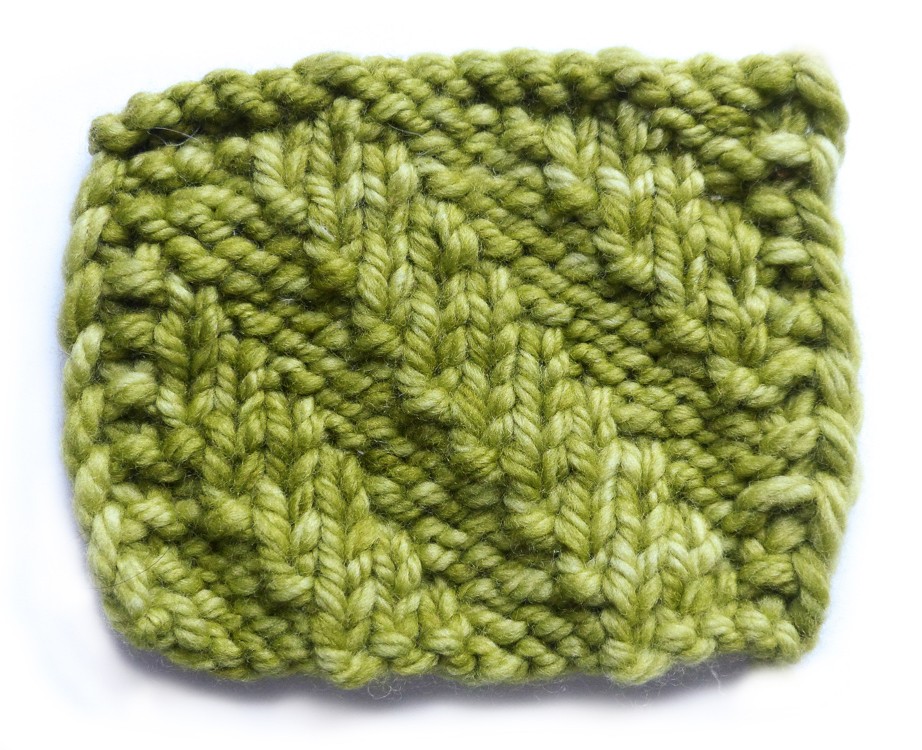 Each chapter contains a practice swatch you will knit along with the chart provided. You will work all the important rows along with me in the chapter video.
Each video contains lots of wisdom about knitting and charts beyond just how to knit the chart provided, so you may want to watch the videos even if you feel comfortable knitting that kind of chart.
Materials
First, download your reference PDF of all the charts in this class. You’ll also see the relevant chart at the beginning of each chapter. Clicking the image will make it bigger.
Swatches
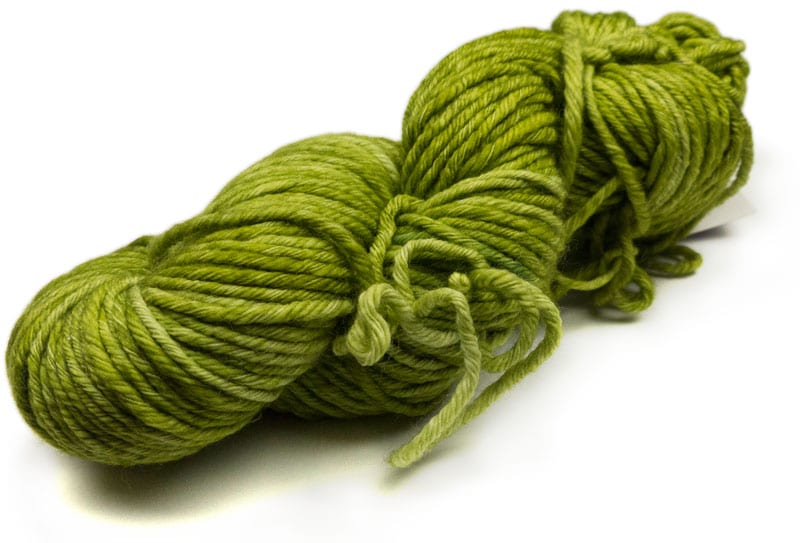
I used about 260 yards of bulky-weight yarn and size 9-10½ needles to knit all the swatches, and you can, too, or you can use any weight of yarn and corresponding needle size you like. For a few of the swatches you’ll need a few yards of contrasting color yarn.
A few of the swatches are knit in the round on Magic Loop. You can learn magic loop with my free Basic Magic Loop video here, or take our Magic Loop course (part of Knitting Superstar University). To do the in-the-round swatches, you’ll need a 40-47-inch circular needle, US size 9-10½.
Join the Knitalong
 We are offering a 15-week knitalong as an optional accompaniment to your Charts class. While this Charts class contains the videos and instructions you need to learn everything you know to knit any chart, the potential pitfall to any class where you can work at your own pace is that you may not take the time to actually watch the videos and do the knit swatches. You may cheat yourself out of the opportunity to gain the knowledge you are seeking. Other things may come up and the class exercises may fall to the wayside.
Our 15-week Charts knitalong solves this problem by helping you work through the class as a group in small, weekly chunks. It ensures you will actually watch the videos and do the exercises since we will email you each week with that week’s exercise and invite you to post your progress and ask any questions in our knitalong group. You will feel the group camaraderie, help other students learn, and get help from us and them, and maintain your momentum and motivation to continue. The chance is very high that you will actually knit the swatches and gain the knowledge that you are seeking in buying the class.
The knitalong officially begins September 22nd, 2021 and lasts through December 29th, 2021. You can sign up for the knitalong at any point until we finish and you will begin receiving the weekly emails. Sign up here. Please note, if you sign up before September 22nd you will not receive any knitalong emails until September 22nd.